


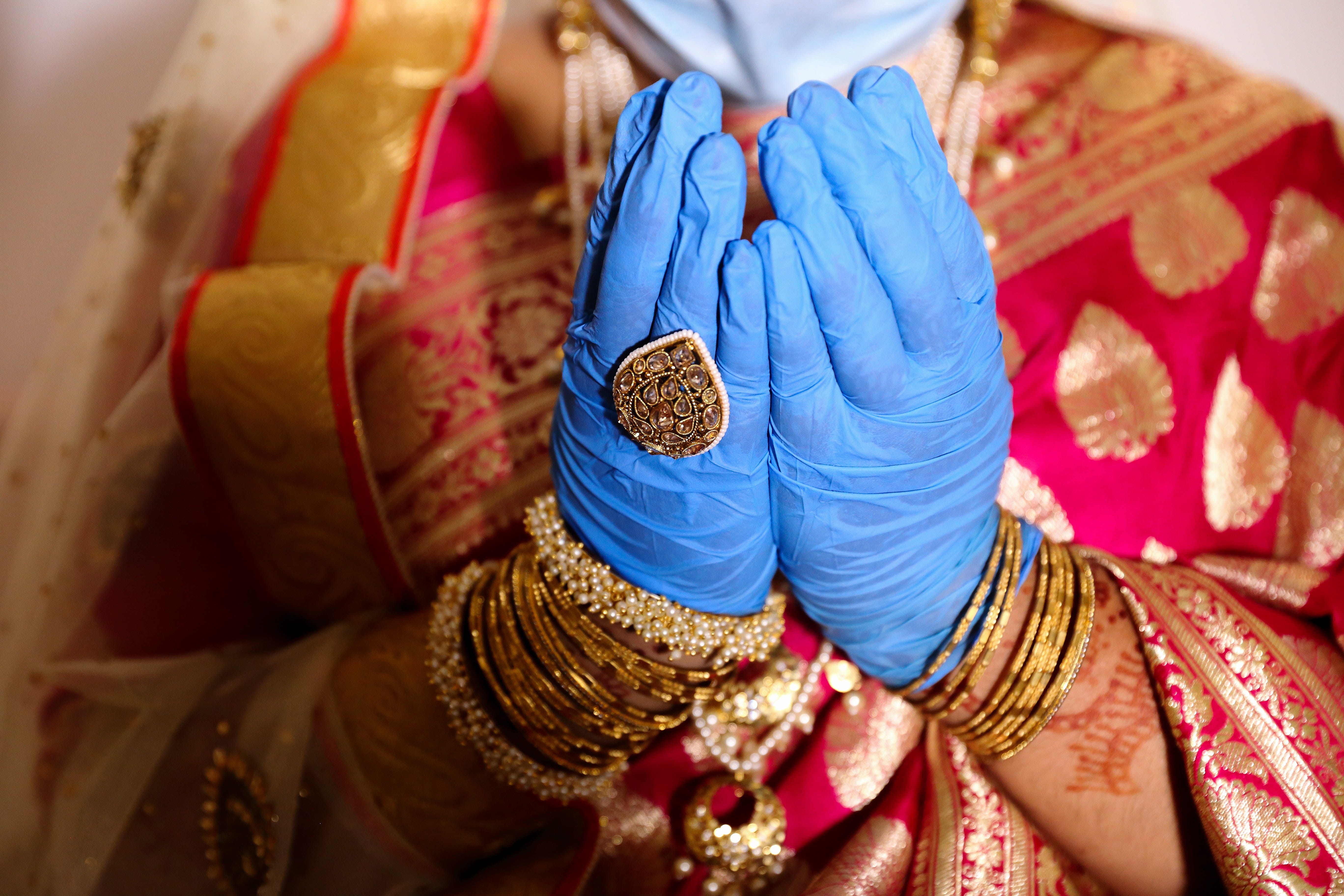
I got married in 2020, during Mother’s Day weekend. It was a shotgun wedding in the middle of the pandemic. I was very early on in my pregnancy with my first daughter. That was the first shame I had to suppress and the first sacrifice my Muslim Bangladeshi immigrant mother had to negotiate about the future she envisioned for me.
Two years ago, I showed up at my parents’ doorstep with my three-year-old and three-month-old daughters. I left the home I had built with their father, the home I’d spent decades dreaming of—the promise of a family of my own, a partner to love and cherish me. We set up camp in my childhood bedroom, no questions asked. That was the second disappointment Ammu had to navigate about my future.
There is nothing quite like the ego battle between an immigrant mother and her first-generation American daughter. I was a defiant teenager. I did not follow her rules. I did not want her life with it’s restrictions and stifling stipulations. I had to leave her world, never to come back.
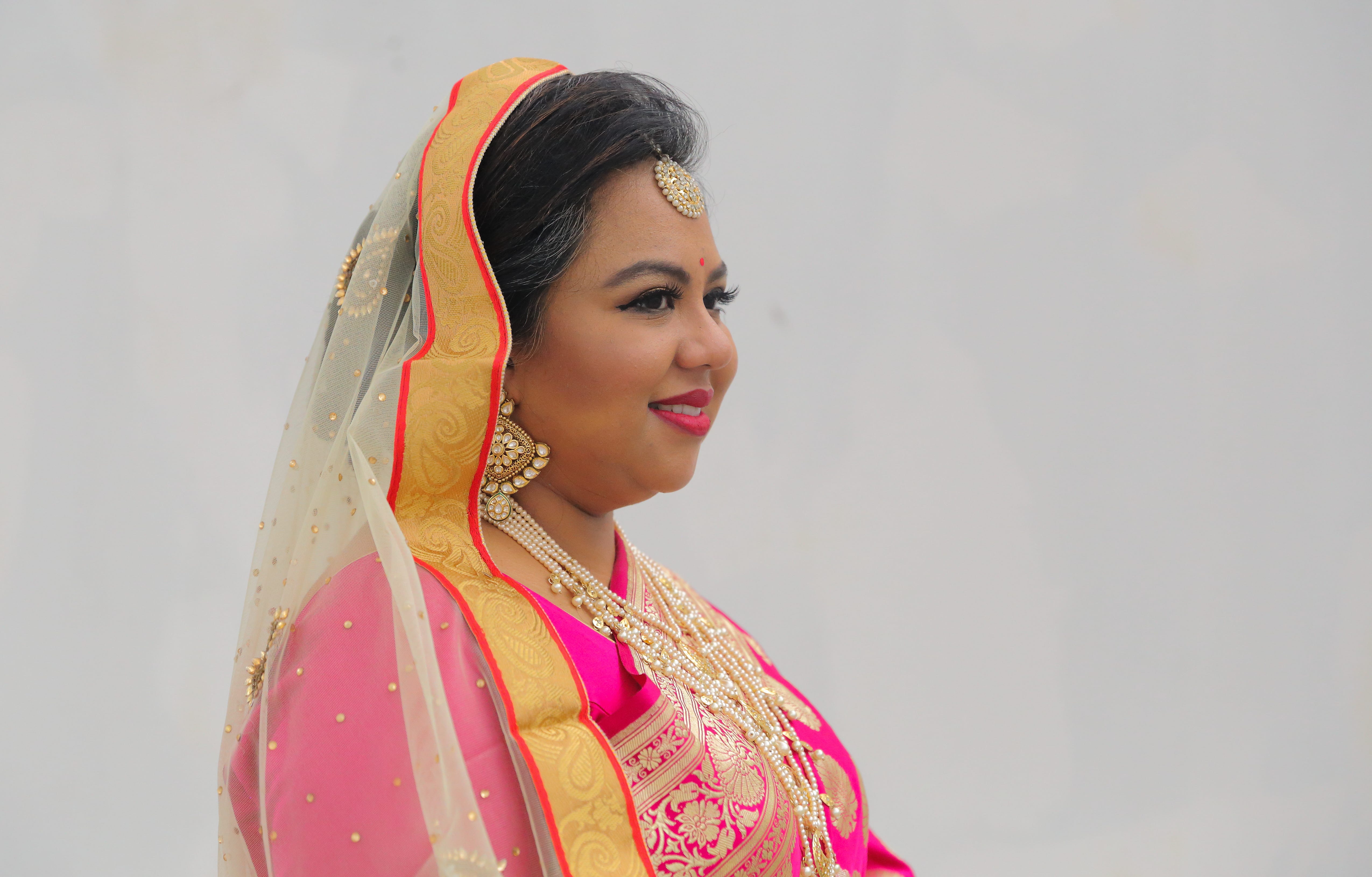
I did not expect my mother to be the person who taught me that I could come home, no matter what.
I recoiled at how my mother and the world around her would respond. I expected the silence that passes for acceptance in immigrant households, the love that arrives as labor—food made, space cleared, adjustments made without announcement. I did not expect grace. I did not expect her to swallow her feelings about my choices and about what manush ki bolbe—what will people say.
Last May, my divorce finalized. I officially became a single mother. I did not expect Ammu to help me carry my shame with dignity.
As a first-generation American, I grew up as my parents’ proof of concept. I am the reason they came, the return on every sacrifice, the person who was supposed to make it all worth it. I carried this storyline with resentment and defiance and the particular fury of a child who understands she is loved but cannot breathe inside the shape of it.
I don’t want my own daughters to be proof of anything. I want them immersed in who they are—their culture, their history, their grandmother’s language and their mother’s stubbornness and their own sprinkles of how they translate these inheritances. I want them to know, that they also can always come home.
If I do my job right, the things that matter will remain. That is their inheritance and my job as a child of immigrants raising the next generation.
A few days ago, my five-year-old daughter said to me, “I need some alone time with Nanu,” rushed over to my mother, and whispered something in her ear. My daughter cupped her Nanu’s ear and whispered. When she was done, she loudly warned her grandmother, “Don’t tell Amma!”, and went back to her seat in front of the TV.
My mother’s eyes twinkled. I looked at her and mouthed: she told you about my Mother’s Day drawing? She nodded, grinning.
I have spent most of my adult life trying to get out from under my mother’s gaze. And here I am, back inside it, grateful.
A reading list on immigrant mothers
These are the books I return to when I need to remember that the story of the immigrant mother who holds up her children is not mine alone. It is one of the oldest stories in the world.
The Leavers by Lisa Ko: Polly, an undocumented immigrant mother in New York, disappears from her son’s life—not abandonment exactly, but desperate self-reclamation. She was never given the conditions to be a full person and a mother simultaneously. She had to choose. Read it as an indictment of every structure that made that choice necessary—and as a reminder of what it means to have a door to come home to.
The Namesake by Jhumpa Lahiri: Ashima Ganguli crosses an ocean for a man she barely knows, builds a life that has almost nothing to do with herself, and holds her family together across two cultures for decades. Read it for what it costs her and for the grace she extends anyway, even when no one asks her to.
Brick Lane by Monica Ali: Nazneen arrives in London from Bangladesh as a young bride, delivered into a marriage and a life she did not choose. She becomes herself anyway— slowly, quietly, at great cost. Manush ki bolbe could not stop her either.
This was beautiful to read. As the first-generation son of immigrant parents, a lot of this hit home for me. One thing prison has taught me is that there is a difference between being judged and being loved through your mistakes. I came to prison at 20 years old and I will be 37 when I return home. Time changes the way you see your parents and the sacrifices they made, especially when life does not go the way anyone imagined. That last line stayed with me because a lot of us spend years trying to escape our parents’ expectations or their way of seeing us, only to realize later that being truly seen with grace and love is something rare.
Also, I just read the namesake, phenomenal read, and will need to check out the others!