

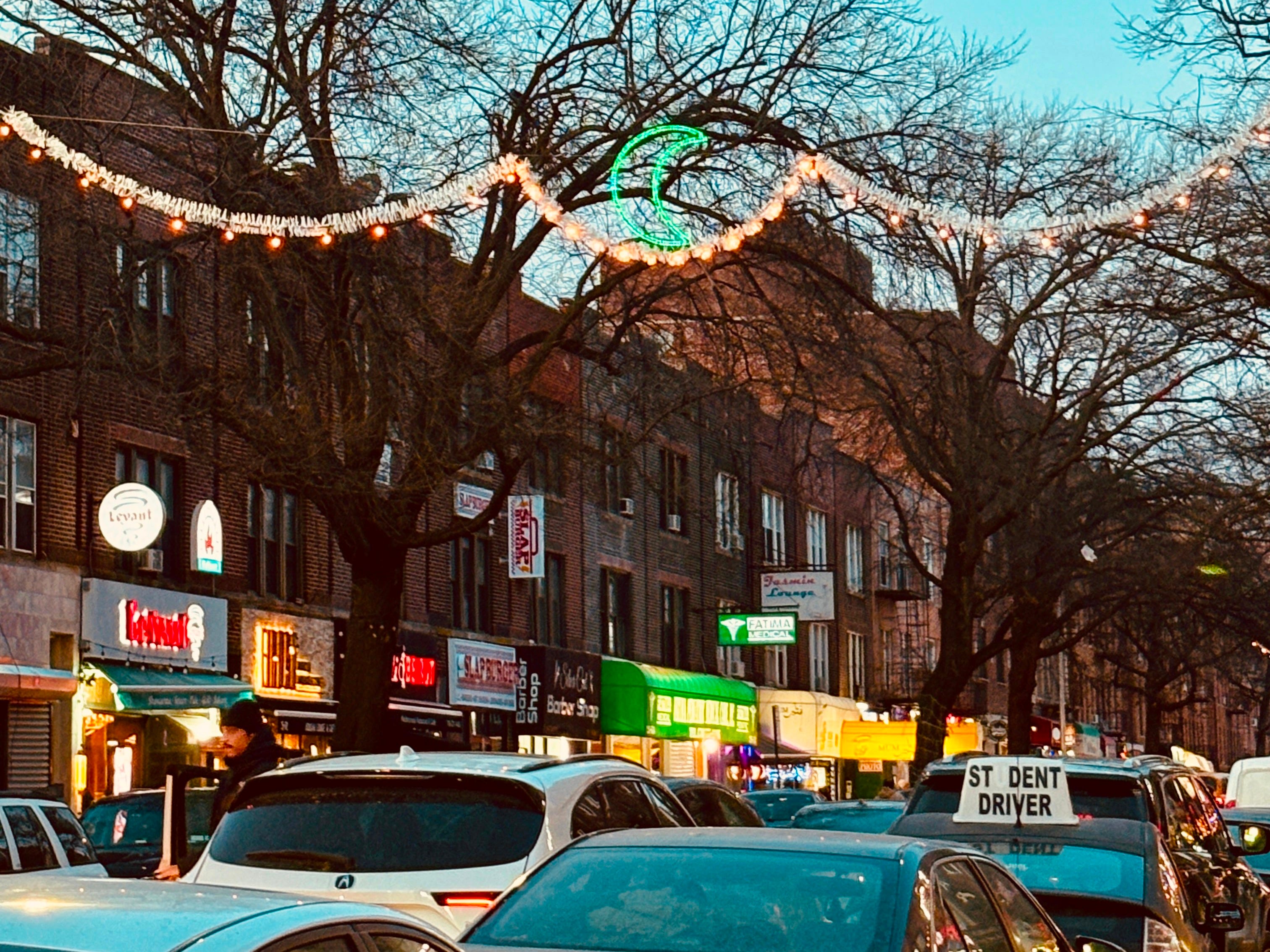
Ramadan Mubarak to those who celebrate!
I’ve been thinking about how Ramadan, Lent, and Chinese New Year all landed in the same week this year. A spiritual and cosmic shift—because we needed something. Two and a half years of watching the Palestinian genocide on our screens, and now watching American families being ripped apart by ICE, again, on our screens. The PTSD of simply being a witness is already taking a toll on all of us. And I think that kind of exhaustion—the kind that doesn’t go away after sleep—is often what pushes people back toward faith.
Ramadan has always been the time I sit most honestly in my Muslimness, which is complicated. The version of Islam I grew up with and the version I’m finding my way toward now do this little dance—not just during Ramadan, but every single day. I’m not sure the dance ever fully resolves. I’m not sure it’s supposed to.
So this year, in true Port of Entry fashion, I’m exploring the historical significance of Ramadan in the United States.
For most Americans, Ramadan feels like a recent arrival. Something that showed up in airports and suburban mosques and corporate diversity calendars. A tradition that gets accommodated. But that framing has always bothered me, because Ramadan did not arrive at JFK. It did not begin in the 21st century. It has been observed on this soil for centuries. It survived enslavement, shaped early American diplomacy, moved through the civil rights movement, endured post-9/11 surveillance, and now lights up American skylines.
From now until Eid-ul-Fitr, I’m spending every week inside a different chapter of that history—the Ramadan fasts kept quietly by enslaved West African Muslims, the 1805 White House dinner rescheduled around a fasting envoy, Islam at the 1893 World’s Fair, and the long road through Black American Islam, civil rights, surveillance, and into the complicated, visible, plural American Muslim present.
Follow me on Instagram and TikTok for visual companions to the newsletter every week.