


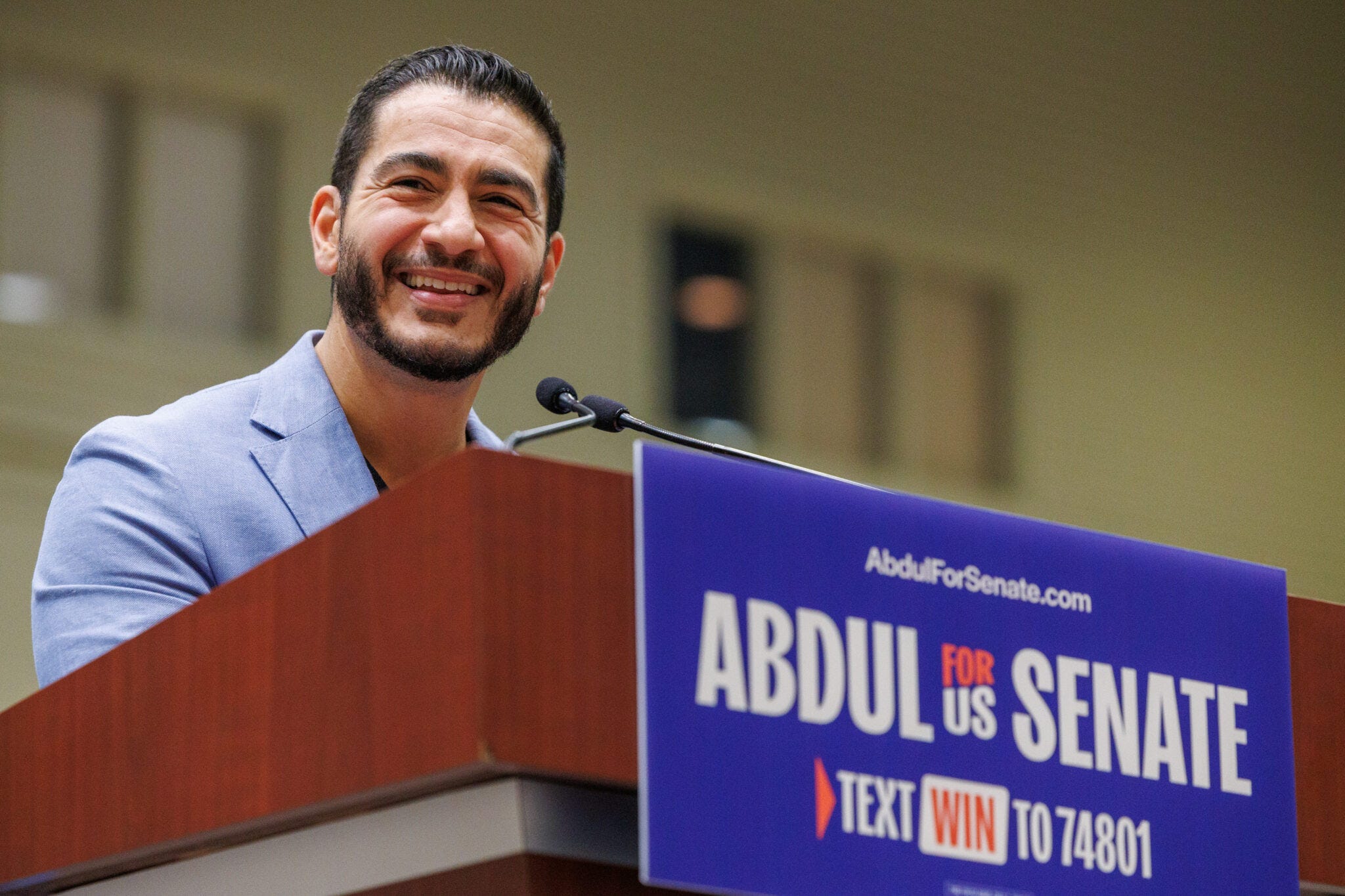
This week: a Muslim son of immigrants won a Senate democratic primary in Michigan by beating $60 million in AIPAC money. On the opposite end, 60,000 people tried to cross into Spain through a six-mile fence on the coast of Africa, and got sent back by the army.
That’s some real ‘ish to unpack.
First: Abdul El-Sayed bowls over a swing state
On Tuesday, Dr. Abdul El-Sayed won Michigan’s Democratic Senate primary, beating Rep. Haley Stevens, the establishment pick, in the most expensive Senate primary this country has ever seen—over $60 million came in against him, most of it from pro-Israel groups trying to stop him. He won by about a point.
If he wins the election in November, he’ll be the first Muslim senator in American history. He’s the son of Egyptian immigrants. He’s called what’s happening in Gaza a genocide, out loud, on the campaign trail, in a swing state that voted for Trump. And he still won.
Second: 60,000 people just tried to cross into Spain, and as usual, got villified
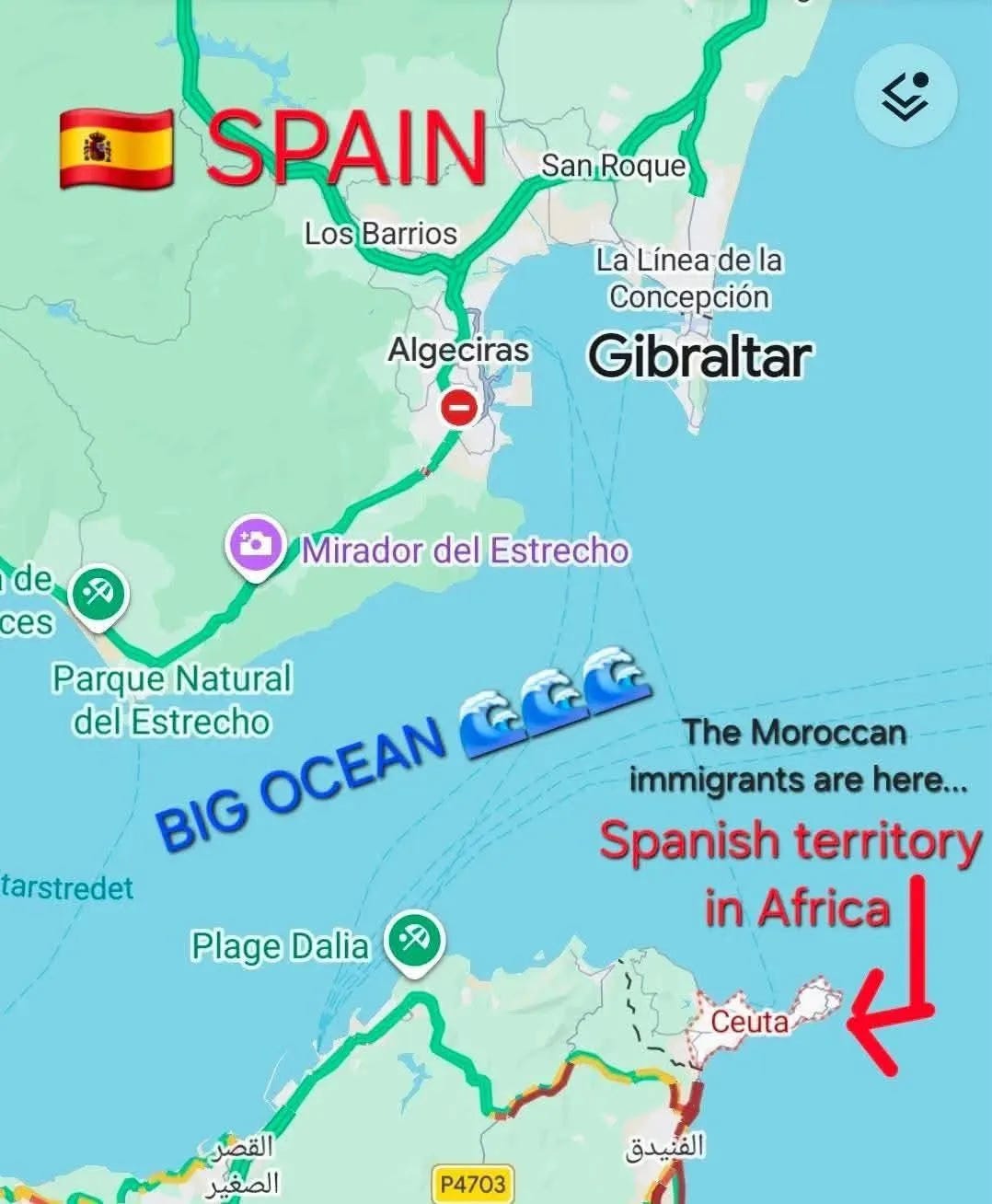
Now the other story, and I need to give you a little history first, because the geography here is bananas.
Ceuta is Spanish but it’s located off the coast of Africa and is the the only land border the entire European Union shares with Africa. Spain has held it since 1580 and Morocco has never once accepted that claim. To Morocco, it’s occupied land, a European flag stuck on the wrong side of the water.
Back in 2021, Morocco eased up on its side of the border and let around 8,000 people cross in about two days. Most people read it as payback—Spain had quietly let in the leader of the Western Sahara independence movement for medical care, and Morocco wanted Western Sahara (a former Spanish colony) recognized as its own. Spain eventually caved, backed Morocco’s claim in 2022, and the border tightened right back up.
This week, around 60,000 people tried to cross that same six miles of fence and dozens died. Spain sent in the military and bused nearly 70,000 people back to Morocco within days.
The timing is actually kind of wild because Spain is actually moving the opposite direction from most of Europe right now—rolling out a plan to give legal status to about half a million undocumented people already living there, while other countries are slamming their doors shut. The reason this particular week saw a rush at the border is almost bureaucratic, honestly: Spain’s Supreme Court ruled that migrants who arrive by sea can’t be summarily deported without due process, because swimming around a breakwater technically isn’t “crossing the border” under Spanish law.
Last week, I told you about one of the people who made this exact crossing, decades ago, Lamine Yamal’s grandmother, Fátima. She sneaked onto on a bus alone in Morocco and rode it into Spain to build her family a life.
The Bus Ride That Made a World Cup Champion

Every time nineteen-year-old Spanish national footballer Lamine Yamal scores, he throws up his hands and signs 304—for Rocafonda’s postal code, the working-class neighborhood thirty kilometers up the coast from Barcelona. Roughly 11,000 people make up the neighborhood, and
The price of admission
Both of these stories are about the price of admission, and who gets to skip the line.
El-Sayed had to out-organize $60 million because being a Muslim son of immigrants running for the U.S. Senate is still, apparently, something that needs defeating. He said in an interview to The New York Times, “I’m just interested in being the next U.S. senator from Michigan.”
Fátima crossed a border, years later, they let her in retroactively — through her grandson’s cleats, through a World Cup, through hindsight. The 60,000 people who crossed this week don’t get that kind of grace period.
Belonging isn’t something you just have, in either of these stories. It’s something people who cross borders to survive have to win, or prove, or wait out. And the people deciding who’s earned it are almost never the ones who had to make the crossing themselves—literal or electoral.
Admin update
One more thing. Port of Entry — aka me — is going on a bit of a break for the rest of this month. But it’s not really a vacation. I’m heading to Bonn, Germany, with my parents, for the first time as a family since they lived there in the late ‘70s and early ‘80s as migrant workers, before they immigrated to the U.S. I got a generous grant from Goldhouse to research their time there and dig into a migration pattern most people have never even heard of. I’ll be reporting on the ground for both Port of Entry and my memoir-in-progress, and this trip is a big deal for both.
I’ll be back in September with updates from Bonn, and a few other things I’ve been working on.
Enjoy the rest of the summer, y’all!
so cool that you're going to Germany on assignment!
and I'm so excited about El-Sayed, his ideas are solid. crazy how much money was spent on him - it's like where did that money go?! Who has it now!? there's so much better use for it than trying to stop him.